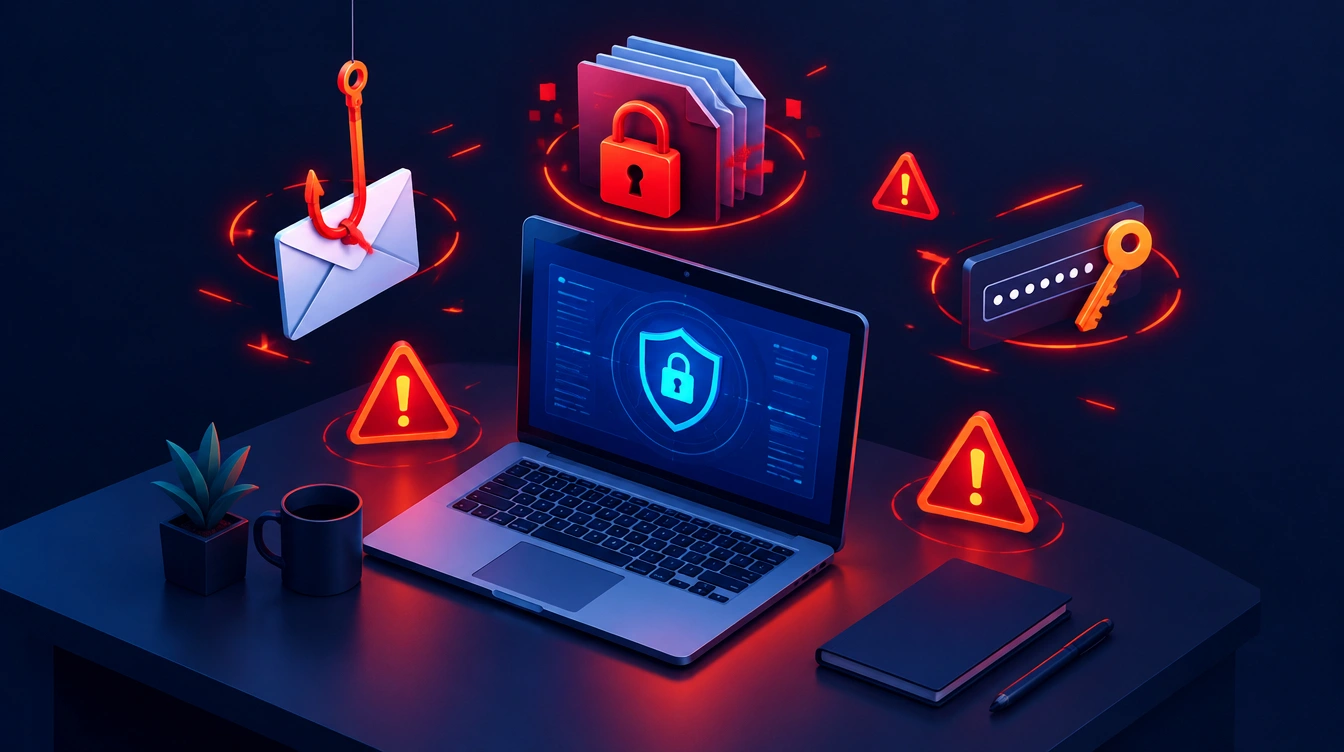
What Are the Most Common Cyber Attacks in 2026 and How to Prevent Them
Here’s the thing about cyber attacks in 2026 they’ve gotten fast. And smart. Way harder to catch than they used to be. Doesn’t matter how big your business is either; Australian companies of every size are getting hit. That old advice about spotting scam emails by their bad spelling? Yeah, that ship has sailed. If you actually care about protecting your data, your customers, and honestly your reputation too, teaming up with a solid cyber security services company like NXT IT Solutions is probably one of the smarter calls you’ll make this year.
So let’s get into it the attacks businesses are running into most, and what you can genuinely do to stop them.
Why It’s Worse This Year
The big change is AI. That’s basically it. Attackers are using generative AI now to churn out scam emails that read perfectly personalised, no typos, the works. They’re cloning voices. Faking video calls. All those red flags we used to rely on, the clunky grammar and the “Dear Valued Customer” greetings? Mostly gone.
And on top of that, cybercrime is just… a business now. A proper industry. You can literally subscribe to ransomware kits, which means you don’t even need much skill to launch an attack anymore. Which is exactly why small and medium businesses are getting targeted so much attackers figure they’ve got weaker defences and less money to throw at security. And they’re often right.

Point being: nobody’s too small to get hit. And cleaning up after a breach costs a whole lot more than preventing one.
The Ones You Need to Know About
Phishing and AI-Powered Social Engineering
Still number one. Phishing is how most criminals get their foot in the door, and in 2026 it’s basically on steroids thanks to AI convincing emails, texts, even deepfake phone calls pretending to be your coworker or your bank or a supplier you deal with. One bad click and someone’s got your login details, or worse.
What helps:
Ongoing awareness training for your staff, so people actually recognise this stuff.
Decent email filtering that catches the bad messages before anyone sees them.
If someone asks for an unusual payment or a password reset, verify it another way. Just pick up the phone.
Ransomware and Data Extortion
This is the one that locks up your files and demands you pay to get them back. Except now they usually steal your data first, then threaten to leak it if you don’t cough up people call it double extortion. So having backups isn’t the safety net it once was.
What helps:
Keep offline backups, and actually test them. Don’t just assume they work.
Patch your software and systems quickly those unpatched gaps are how they get in.
Endpoint protection that flags weird activity early.
Business Email Compromise (BEC)
One of the most expensive attacks out there. Someone pretends to be a senior person at your company, or a supplier, and convinces an employee to wire money or hand over something sensitive. Simple, and it works far too often.
What helps:
Have real approval steps for money transfers. No shortcuts.
MFA on every email account.
Train people to double-check any change to bank or payment details before acting on it.
Credential and Identity Attacks
Weak passwords are still causing breaches, which is a bit depressing given how long we’ve been told not to reuse them. Attackers grab login details from old leaks and just try them everywhere automatically that’s credential stuffing.
What helps:
Strong, unique passwords. Use a password manager, nobody’s remembering 40 of these.
MFA wherever you can turn it on.
A zero-trust setup that checks every user and device instead of just trusting them.
Cloud Misconfigurations and Supply Chain Attacks
The more everyone moves to the cloud, the more this matters. A misconfigured setting or sloppy access controls, and you’ve left a door open. Supply chain attacks are climbing too the criminals hit a vendor you trust to get to you.
What helps:
Review your cloud settings and permissions regularly. It drifts over time.
Actually check what security your suppliers and software providers have.
Work with a cybersecurity provider who can keep an eye on things around the clock.
So How Do You Protect the Business, Really?
Each threat has its own specific fixes, sure. But if you zoom out, a strong strategy mostly comes down to a handful of things:
Turn on multi-factor authentication across everything that matters.
Keep training your team human error is behind most breaches, full stop.
Patch and update everything so there’s nothing easy to exploit.
Back up your data properly, and test that you can actually restore it.
Monitor 24/7. Most attacks happen overnight or on weekends, when nobody’s around watching.
Have an incident response plan ready to go, so you’re not scrambling when something does slip through.
For a lot of businesses, building an in-house security team just isn’t realistic it’s expensive and honestly a bit overkill. Partnering with one of the best cyber security companies in your region gets you enterprise-grade protection without the enterprise-grade price tag.
Why Go With NXT IT Solutions
We’re based in Griffith and work with businesses right across NSW. NXT IT Solutions is an Essential 8 certified provider, and between us we’ve got over 70 years of combined experience. What that means for you: proactive monitoring, quick response when it counts, and security strategies built around your actual business rather than some template. Small business or a growing enterprise either way, we help you stay a step ahead of whatever’s coming next.
Want to tighten things up? Get in touch with NXT IT Solutions for a free consultation.